
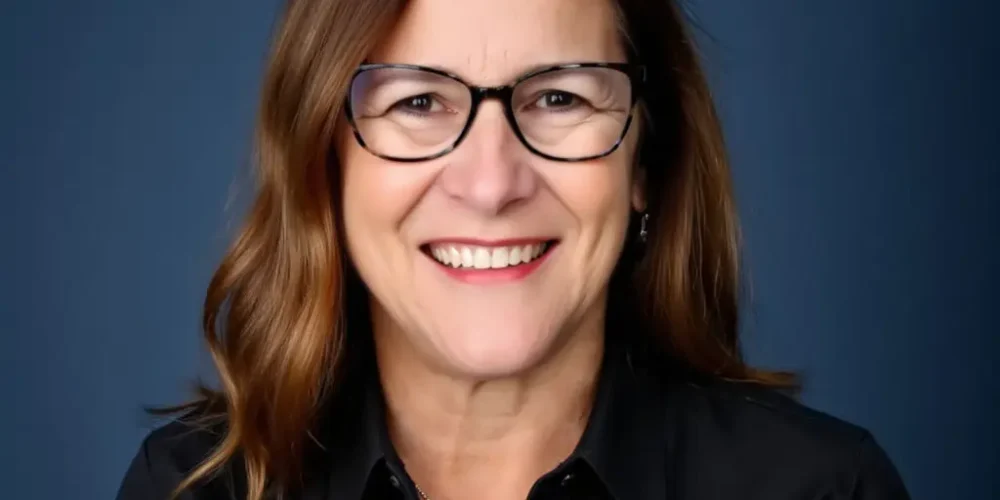
Senior leaders don’t hire a coach for credentials alone. They hire someone who has actually sat across from people at every level of an organization, watched what breaks teams apart, and knows how to fix it. Ellen Zimmerman has done that for over twenty five years, across industries as different as aeronautics, petrochemical, healthcare, and higher education, working with organizations like NASA’s Engineering Directorate, CHRISTUS Health, and Motiva. That range is part of why senior executives keep coming back to her.
Based in Beaumont, Texas and working with clients nationally through Ellen Zimmerman Consulting, Ellen holds a PhD, a Professional Certified Coach credential (PCC) from the International Coaching Federation, an Advanced Certification in Team Coaching (ACTC), and Senior Practitioner accreditation from the European Mentoring and Coaching Council. She is also one of fewer than 500 people worldwide trained personally by Brené Brown as a Certified Dare to Lead facilitator. The ICF itself has tapped her to help write its official Body of Competencies and Knowledge and to sit on its Credentials and Standards Exam Committee, meaning she doesn’t just meet the industry’s bar for coaching excellence, she helps set it.
Proven Impact
Ellen’s practice covers individual executive coaching, group coaching for teams of up to ten, mentor coaching for practitioners pursuing ICF credentials, formal supervision for coaches and people leaders, and team training built around DiSC assessments and the Dare to Lead framework. Engagements typically run six or twelve months, giving clients enough runway to see real behavior change.
Coaches she has mentored describe the impact directly. One client, reflecting on her mentor coaching program, said, “I only thought I knew how to coach until I completed the training. The information I learned is useful in work and life,” adding that the experience “was one of the best decisions I ever made for my future.” Another described her simply: “You’re a really great mentor. I appreciate how comfortable you are to work with as well as your insights on exam preparation.” For executives weighing whether coaching is worth the investment, that kind of consistent, specific feedback matters.
A Style Built on Removing Her Own Bias, Not Adding Advice
What sets Ellen apart is a discipline most coaches talk about but few practice as deliberately. She developed an exercise called The Empty Room to strip her own assumptions out of every session. When Ellen sits down with a client, she mentally places herself in a completely bare room with no furniture or décor. The client is the only source of “outside world” information she allows in. Nothing she personally knows, assumes, or has experienced gets projected onto what the client is saying. “As coaches, it is important to let go of any assumptions or pre-existing ideas about what the client is sharing or processing in a conversation,” she writes.
“Clients are creative, resourceful, and whole, meaning they are the person with the answers and are best equipped to develop their own solutions.” She tested the exercise on herself first and caught herself doing exactly what it was meant to prevent. “I realized how relevant the practice actually was for staying focused on the client and not on ourselves,” she admits, a small moment of self-awareness that tells you she holds herself to the same standard she asks of her clients.
That focus on forward motion shows up in how she talks about stuck teams too. “The best way to get unstuck is to do things differently,” she said on the STaR Coach Show, describing how she uses communication style assessments to break teams out of recurring conflict.
Advice She Gives Away for Free
Ellen writes and speaks often about the conversations leaders avoid, particularly the difficult ones around performance and accountability. Her guidance is practical rather than theoretical. In one widely shared piece on handling hard workplace conversations, she draws on Brené Brown’s research to make her point about clarity. “Clear is kind and unclear is unkind,” she quotes, before adding her own practical framing. “This does not mean being blunt or rude. It simply means that you don’t do anyone a favor by tip-toeing and being vague or unclear when you talk.”
Get in Touch
Ellen offers a free initial call to any prospective client, whether you’re an individual executive, a team leader, or a coach pursuing your next credential. She works with clients online and in person.
- Full profile: Leadership Coach Directory
- Website: ellenzconsulting.com
- Schedule a free consultation: Book here
- LinkedIn: linkedin.com/in/ellenlzimmerman
- Email: ellen@ellenzconsulting.com