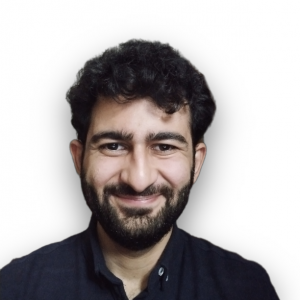
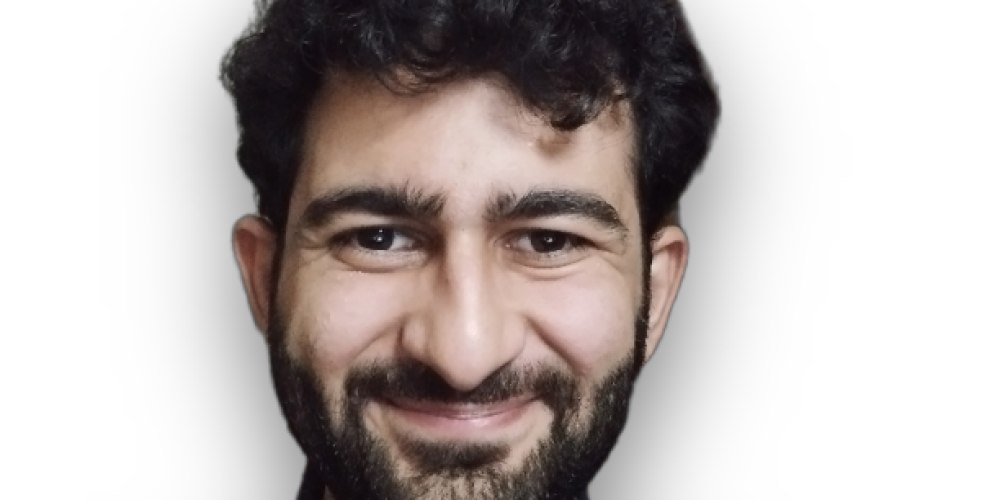
Based in Perth and working with clients across Australia and internationally, Haseeb has built a reputation as one of the go to voices on workplace neurodiversity. He is credentialed by the International Coaching Federation as an Associate Certified Coach and holds a certification as an IASTI Solution Focused Practitioner. But the credentials only tell part of the story. Long before the letters after his name, Haseeb was known simply as Pakistan’s first ADHD coach, a title he still wears with visible pride on his Instagram profile.
What He Does And Who He Works With
Haseeb’s client list spans individuals, teams, organizations, educational institutions, and private clinics, and his work happens online, in hybrid formats, and in person. For senior professionals considering coaching, especially those with ADHD, that flexibility matters. So does the range of formats available. His individual coaching partnership runs a minimum of three months with a private session each week, built for leaders who want sustained, structured change rather than a quick fix. For those who need to solve a specific problem right now, he also offers a focused sixty minute intensive session, ideal for working through a single challenge or testing the fit before committing to something longer.
Beyond one on one work, Haseeb designs and facilitates workshops, leadership development programs, and keynote talks, all tailored to the organization in front of him rather than delivered as a generic template.
Perhaps his most original contribution to the field is a service he calls Neuroinclusive Workplace Redesign. Rather than treating neurodiversity as a series of individual accommodations bolted onto an existing system, Haseeb defines it as something structural: the intentional redesign of a workplace’s systems, spaces, policies, communication, and management practices so that people with different thinking, attention, learning, sensory, and communication styles can perform well without having to fight the environment first. It is a shift from one off adjustments toward building flexibility and clarity into an organization by default, and it reflects how Haseeb thinks about change generally. Fix the system, not just the symptom.
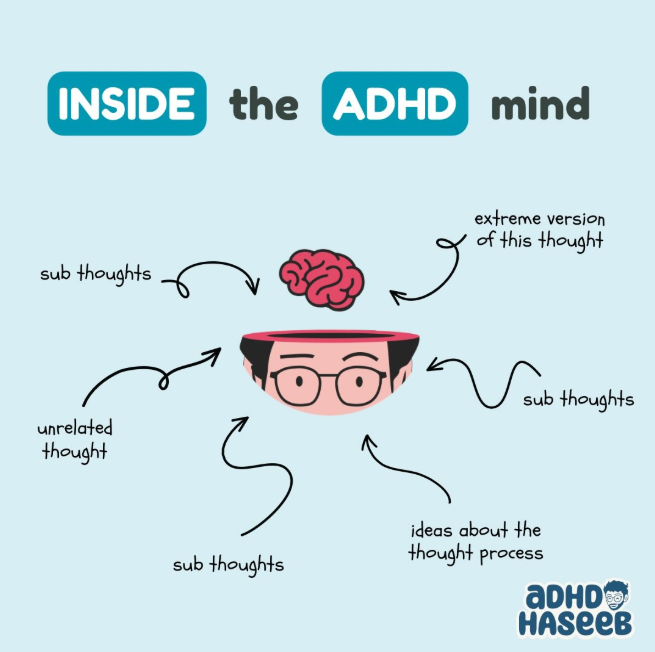
His mission, as stated plainly, is to create a world where different ways of thinking are recognized as strategic strengths rather than problems to manage around, enabling organizations and neurodivergent professionals to thrive together. He talks often about helping leaders move past awareness and theory into practical action, equipping managers and employees alike to work well with the realities of neurodiversity rather than simply acknowledging that it exists.
From Refugee Camps To Coaching Rooms
Haseeb’s path to coaching runs through some unlikely terrain. For years, he worked as a technical partner on complex, high stakes infrastructure and sustainability projects, designing future ready, compliant energy solutions for public sector organizations serving refugees and vulnerable communities around the world. His LinkedIn profile still lists this work front and center, describing himself as “Supporting Refugees through Energy Solutions” alongside his coaching identity.
That is an unusual biography for a leadership coach, and it shows up in how he frames his work. Where many executive coaches come to the field through psychology or HR, Haseeb arrived through engineering and international development, industries that demand precision, systems thinking, and the ability to design solutions under real world constraints. His own LinkedIn headline captures the throughline: “Pakistan’s most beloved (& 1st) ADHD Coach, Speaker, Trainer, On a mission to guide and support a Million ADHD minds to shine bright.”
Growth Happens in Discomfort
Becoming Pakistan’s first ADHD coach was not a small claim to make in a region where conversations about neurodivergence were, and in many circles still are, only beginning. Speaking on Zuzana Mukumayi’s Screw Being Unhappy podcast, Haseeb explained that it was seventeen years of direct, lived experience combined with in depth research that pushed him to become the country’s first dedicated ADHD coach. There was no local playbook to follow and no existing community of practice to lean on. He built the role from the ground up, at a time when conversations about executive function, trauma, and the stigma that so often follows an ADHD diagnosis were barely happening in Pakistan at all.
That willingness to be first, to build something before the market had fully caught up to the need, is a pattern that carried directly into his current specialty in workplace neuroinclusion, another area where organizations often know something needs to change long before they know how to do it.
Underneath all of it sits a simple, deliberately provocative philosophy: seek out discomfort on purpose. Haseeb’s advice to listeners, offered as his single takeaway from the episode, was to think of even a tiny thing that makes you uncomfortable, and do it anyway. It is a philosophy he applies to himself as much as to his clients, and it explains a lot about a coach who left a stable technical career to become a category of one in his home country, and who continues to build unconventional offerings like Neuroinclusive Workplace Redesign rather than sticking to more familiar coaching formats. Growth, in Haseeb’s view, tends to live exactly where people are least willing to look.
How He Works With Leaders And Teams
In practice, Haseeb’s coaching centers on a handful of recurring themes for his executive and leadership clients: strengthening executive presence, sharpening communication, managing career transitions, improving executive functioning, leading diverse teams well, preventing burnout, and building cultures where innovation and belonging support each other rather than compete. For many of his clients, the work is not about fixing something broken. It is about giving high performing leaders language and structure for challenges they have been managing quietly on their own, sometimes for years.
His approach also carries a clear, honest caveat that many coaches shy away from stating outright. While a single intensive session can spark real insight and immediate momentum, Haseeb is direct that lasting behavioral change tends to come from an ongoing coaching partnership rather than a one time conversation.
For organizations, his leadership development programs are built to establish what he describes as a healing, neuroinclusive culture, delivered as single day intensives, multi session learning journeys, or ongoing initiatives depending on what the organization actually needs. Each one is shaped around the client’s specific goals and culture rather than run from a fixed curriculum, which fits with a coach whose earlier career was spent designing custom technical solutions for organizations working in some of the most complex environments in the world.
Getting In Touch With Haseeb
For senior leaders, founders, or organizations looking to build a more psychologically safe and neuroinclusive workplace, or for individuals seeking a coach who understands both the technical and human sides of leadership, Haseeb welcomes a conversation.
- His profile on the Leadership Coach Directory: Haseeb Waqar, ACC
- Book a free 20 minute introductory call: Calendly
- Connect on LinkedIn: linkedin.com/in/haseebwaqar
- Follow on Instagram: @adhd_haseeb
- Listen to his podcast conversation on Screw Being Unhappy: Seek Discomfort and Achieve Your Dreams, Even With ADHD
- Email: adhdcoachingwithhaseeb@gmail.com